
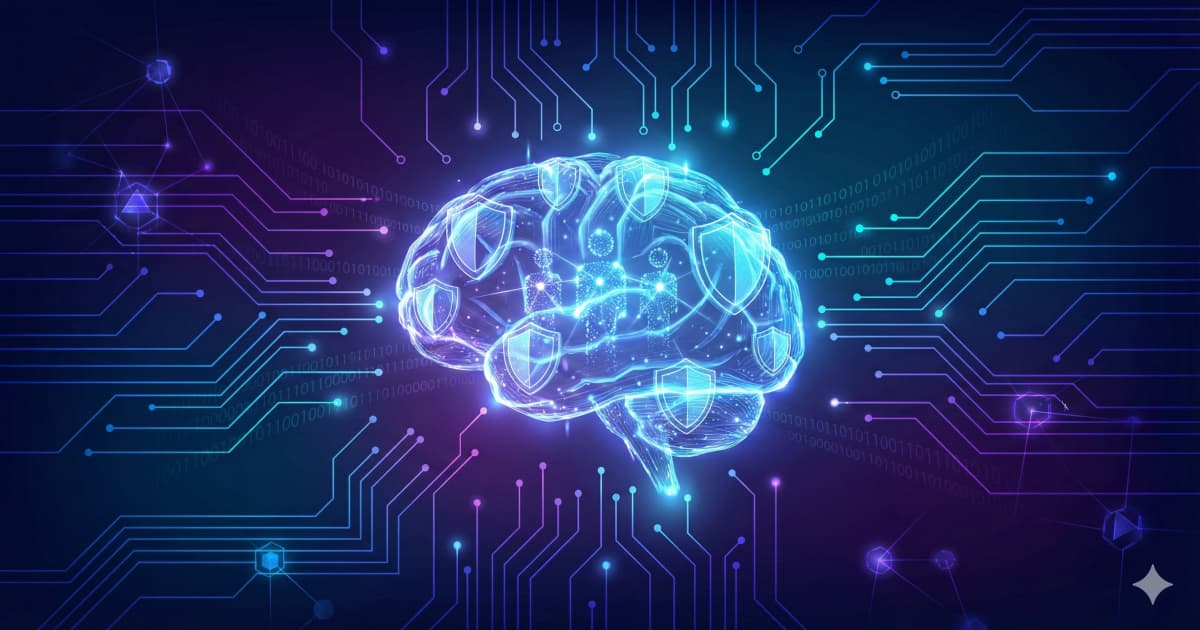
Cybersecurity Education in the Digital Age: Building Human Firewalls Through Knowledge
Cybersecurity Education in the Digital Age: Building Human Firewalls Through Knowledge
Cybersecurity education has emerged as one of the most critical challenges and opportunities in our increasingly digitized world. While technological defenses continue to advance, the human element remains both the greatest vulnerability and the most powerful defense mechanism in cybersecurity. The effectiveness of even the most sophisticated security technologies depends fundamentally on the knowledge, awareness, and decision-making capabilities of the people who design, deploy, operate, and use these systems.
The scale of the cybersecurity education challenge is staggering. Research consistently demonstrates that human error contributes to the vast majority of security incidents, yet educational initiatives struggle to keep pace with rapidly evolving threats. Meanwhile, the global shortage of skilled cybersecurity professionals creates a critical gap that threatens organizational security and national defense capabilities. Addressing these challenges requires reimagining cybersecurity education as a continuous, adaptive process that extends beyond traditional training programs to create security-aware cultures.
The Human Factor: The Weakest Link and Strongest Defense
The paradox of cybersecurity lies in the central role of human behavior. Studies indicate that approximately 95% of cybersecurity breaches involve some form of human error, whether through misconfiguration, falling for social engineering attacks, or failing to follow security protocols. Yet humans also represent the most sophisticated pattern recognition and decision-making systems available for threat detection and response.
This paradox creates a fundamental challenge for cybersecurity education: how to transform human behavior from a primary vulnerability into a primary defense mechanism. Traditional approaches that focus on compliance and rule-following have proven insufficient. Effective education must develop security intuition—the ability to recognize threats, understand risk, and make appropriate security decisions in complex, ambiguous situations.
The human factor manifests across multiple dimensions of cybersecurity. End users must recognize phishing attempts, use strong authentication practices, and understand privacy implications of their digital activities. System administrators must properly configure security controls, manage access permissions, and respond effectively to security incidents. Security professionals must understand threat landscapes, deploy appropriate defenses, and conduct effective incident response. Each role requires different knowledge and skills, but all depend on effective education.
The Skills Gap Crisis: Demand Outpacing Supply
The global cybersecurity skills gap represents one of the most significant challenges facing organizations and nations. Estimates suggest a shortage of millions of cybersecurity professionals worldwide, with demand growing faster than educational institutions can produce qualified graduates. This gap creates a cascading set of problems: organizations struggle to staff security teams, existing professionals face burnout from excessive workloads, and security capabilities lag behind threat sophistication.
The skills gap is particularly acute in specialized areas such as cloud security, incident response, threat intelligence, and security architecture. These roles require deep technical expertise combined with broad understanding of business operations, regulatory requirements, and threat landscapes. Traditional educational pathways, which often emphasize theoretical knowledge over practical skills, struggle to produce graduates who can immediately contribute to security operations.
Addressing the skills gap requires reimagining educational pathways. Traditional four-year degree programs, while valuable, cannot alone meet the scale of demand. Alternative pathways including certification programs, boot camps, apprenticeships, and on-the-job training must be recognized and supported. These pathways can provide more rapid skill development and better alignment with industry needs, but they require validation and quality assurance to ensure they produce competent professionals.
Educational Approaches: From Awareness to Expertise
Effective cybersecurity education must address multiple levels of knowledge and skill, from basic awareness for general users to deep expertise for security professionals. Each level requires different educational approaches, content, and evaluation methods.
General Awareness: Building Security Intuition
For general users, cybersecurity education must focus on building security intuition rather than memorizing rules. Users need to understand fundamental security concepts—why certain practices are important, how attacks work, and how to recognize suspicious activity. This understanding enables users to make appropriate security decisions in novel situations rather than merely following prescribed procedures.
Effective awareness programs use real-world examples, interactive scenarios, and immediate feedback to reinforce learning. Phishing simulation exercises, for instance, provide safe opportunities for users to experience and learn from social engineering attempts. These exercises are most effective when they're followed by educational content that explains what made the simulated attack suspicious and how to recognize similar attempts in the future.
Professional Development: Building Technical Expertise
For security professionals, education must provide deep technical knowledge combined with practical skills. This requires hands-on experience with security tools, attack techniques, and defensive technologies. Laboratory environments that allow safe experimentation with attack and defense techniques are essential for developing the practical skills that distinguish effective security professionals.
Professional education must also address the rapidly evolving nature of cybersecurity. Threats, technologies, and best practices change continuously, requiring ongoing education rather than one-time training. Professional development programs must be designed for continuous learning, incorporating threat intelligence, security research, and lessons learned from real-world incidents.
Organizational Culture: Beyond Individual Training
Effective cybersecurity education extends beyond individual training to create security-aware organizational cultures. This requires leadership commitment, integration of security considerations into business processes, and recognition that security is everyone's responsibility, not just the security team's.
Organizational security culture is built through consistent messaging, visible leadership support, and integration of security considerations into performance evaluations and business decisions. Security awareness becomes part of organizational identity rather than a compliance requirement. This cultural transformation takes time and sustained effort, but organizations with strong security cultures demonstrate significantly better security outcomes.
The Role of Simulation and Hands-On Learning
Hands-on experience is essential for effective cybersecurity education. Theoretical knowledge alone is insufficient—learners must experience how attacks work, how defenses respond, and how security decisions impact system behavior. Simulation environments provide safe opportunities for this experiential learning.
DDoS attack simulators, for instance, enable learners to observe how different attack types impact system performance, how mitigation systems respond, and how resource exhaustion occurs. These experiences build intuitive understanding that complements theoretical knowledge. Learners can experiment with different attack configurations, observe system responses, and understand the relationships between attack characteristics and defensive effectiveness.
Simulation-based learning is particularly valuable because it enables experimentation without risk. Learners can explore attack techniques, test defensive configurations, and observe system behavior in ways that would be dangerous or impractical in production environments. This safe experimentation builds confidence and deep understanding that transfers to real-world security operations.
Measuring Educational Effectiveness: Beyond Completion Rates
Evaluating the effectiveness of cybersecurity education requires moving beyond simple completion rates to measure actual behavior change and security outcomes. Effective evaluation programs assess whether education translates into improved security practices, reduced incident rates, and better security decision-making.
Behavioral assessments can measure whether learners apply security knowledge in their daily activities. Phishing simulation exercises, for instance, can track whether users who complete awareness training demonstrate improved ability to identify phishing attempts. Security configuration reviews can assess whether system administrators who complete technical training implement security controls more effectively.
Long-term outcome measurement is particularly important for cybersecurity education. Short-term knowledge retention may not translate into long-term behavior change, and security threats evolve continuously, requiring ongoing education. Effective evaluation programs track outcomes over extended periods and adjust educational content based on observed effectiveness.
The Future of Cybersecurity Education: Adaptive and Continuous
The future of cybersecurity education will be characterized by continuous, adaptive learning that responds to evolving threats and individual learning needs. Artificial intelligence and machine learning will enable personalized learning paths that adapt to individual knowledge levels, learning styles, and professional roles.
Micro-learning approaches that deliver education in small, focused segments will become increasingly important as professionals struggle to find time for extended training programs. These approaches can be integrated into daily workflows, providing just-in-time education that addresses immediate needs while building long-term knowledge.
The integration of threat intelligence into educational content will ensure that education addresses current threats rather than historical ones. Educational programs will incorporate real-world attack patterns, lessons learned from security incidents, and emerging threat intelligence to maintain relevance and effectiveness.
Conclusion: Education as Strategic Investment
Cybersecurity education represents a strategic investment in organizational and societal resilience. While the challenges are significant—the human factor, the skills gap, rapidly evolving threats—the potential returns are substantial. Organizations that invest in comprehensive, continuous cybersecurity education build capabilities that extend beyond individual knowledge to create security-aware cultures and resilient operations.
The effectiveness of cybersecurity education depends on recognizing it as a continuous process rather than a one-time event, integrating it into organizational culture, and measuring outcomes rather than just completion. As threats continue to evolve, education must evolve as well, incorporating new technologies, methodologies, and content that address emerging challenges.
The future of cybersecurity depends fundamentally on our ability to educate—to build the knowledge, skills, and awareness that enable effective defense in an increasingly complex threat landscape. This is not merely a technical challenge but a strategic imperative that requires sustained commitment and investment.
Enhance your cybersecurity education through hands-on experience. Try our interactive DDoS attack simulator at https://sim.ddosim.live to see how theoretical knowledge translates into practical understanding of DDoS attacks and network security.